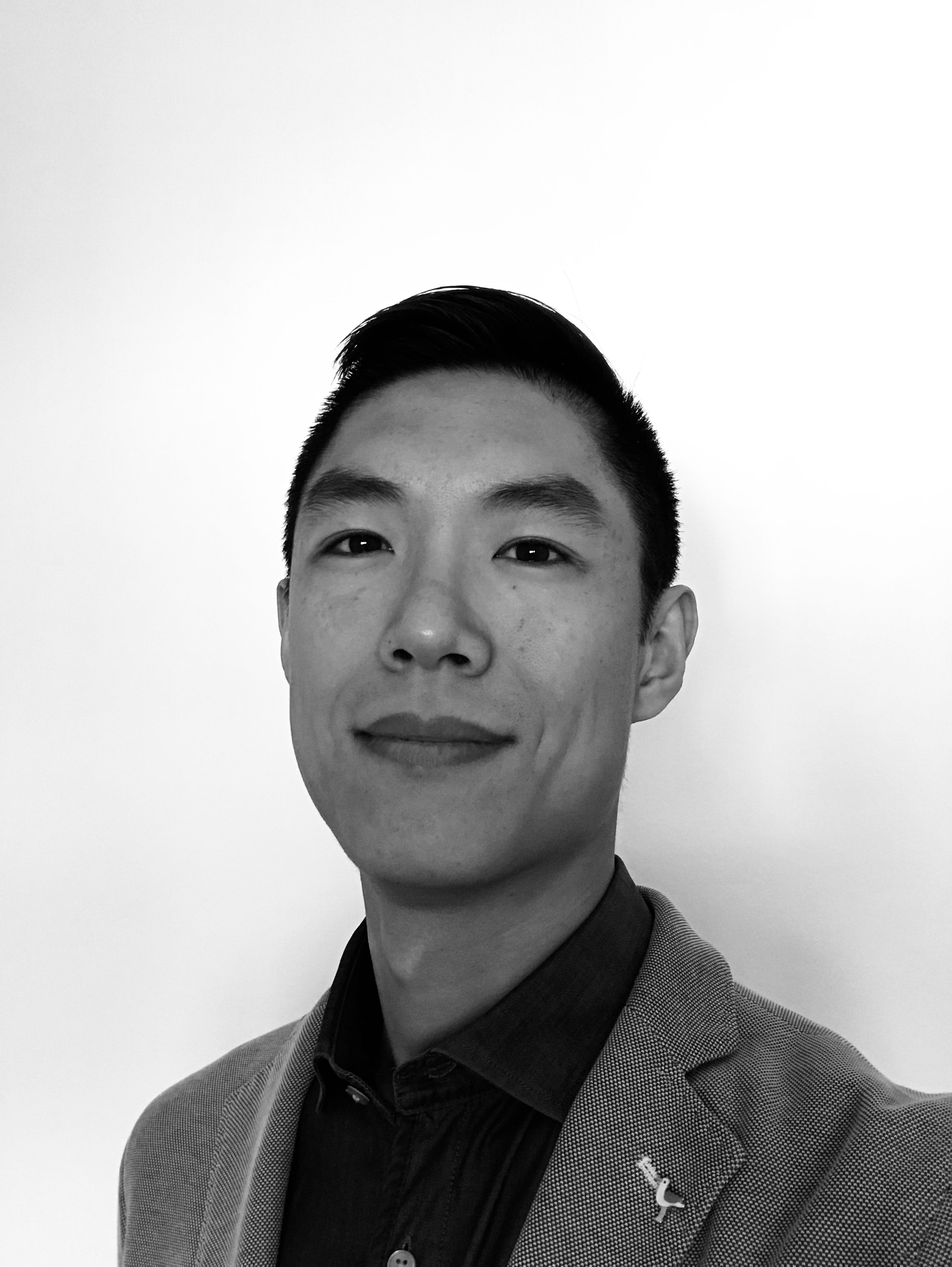
Feng Schöneweiß (何峰 Hé Fēng) is a historian of art and energy in transcultural and planetary perspectives, with expertise in late- and neo-imperial Chinese art and architecture. Feng earned his doctorate in East Asian art history with a certificate in transcultural studies from the University of Heidelberg. He is currently a Postdoctoral Scholar at Department “Artifacts, Action, Knowledge,” Max Planck Institute for the History of Science, Berlin.
Feng’s first monograph focuses on provenance as method in a global history of collection; his second book project explores energy as method in a planetary history of art. His ongoing projects include “The Social Drama of Lacquer Craft in the Great Ming,” “The Impracticable Dragon Bowls,” “The Ecologies of Lacquer,” “A Geoanthropology of Moon Rocks,” and “Celadon, Gunpowder, and Energy Transition in Song-dynasty China.”
Feng has been awarded a Marie Skłodowska-Curie (MSCA) Postdoctoral Fellowship at the University of Warwick, a postdoctoral fellowship in the 4A_Lab: Art Histories, Archaeologies, Anthropologies, Aesthetics (Kunsthistorisches Institut in Florenz – Max-Planck-Institut in cooperation with the Prussian Cultural Heritage Foundation), an Albert-Ottenbacher-Fellowship for Provenance Research at the Zentralinstitut für Kunstgeschichte in Munich, and a doctoral fellowship at the Cluster of Excellence “Asia and Europe in a Global Context” in Heidelberg funded by German Research Foundation (DFG). In addition, Feng’s research has received generous support from the American Ceramic Circle, the Bei Shan Tang Foundation, the British Academy, the DAAD, the Getty Foundation, the Humboldt Foundation, the Max Planck Society, and the universities of Heidelberg and Chicago, among others.
Feng is a co-PI of the project “Art and Conflict in Times of Climate Change” funded by the British Academy, a member of Energy Research Network at the Federal Ministry for Economic Affairs and Energy (BMWE) in Berlin, and a member of the thematic research network “Denk(t)räume – (Re-)Thinking and Doing Futures” at the University of Heidelberg. Feng worked as an assistant curator at Shanghai University Museum and received curatorial training at Museum Angewandte Kunst in Frankfurt am Main.
Research profiles at the Kunsthistorisches Institut in Florenz – Max-Planck-Institut and the Zentralinstitut für Kunstgeschichte.
 Feng Schöneweiß
You must be logged in to post a comment.